 Skip to content
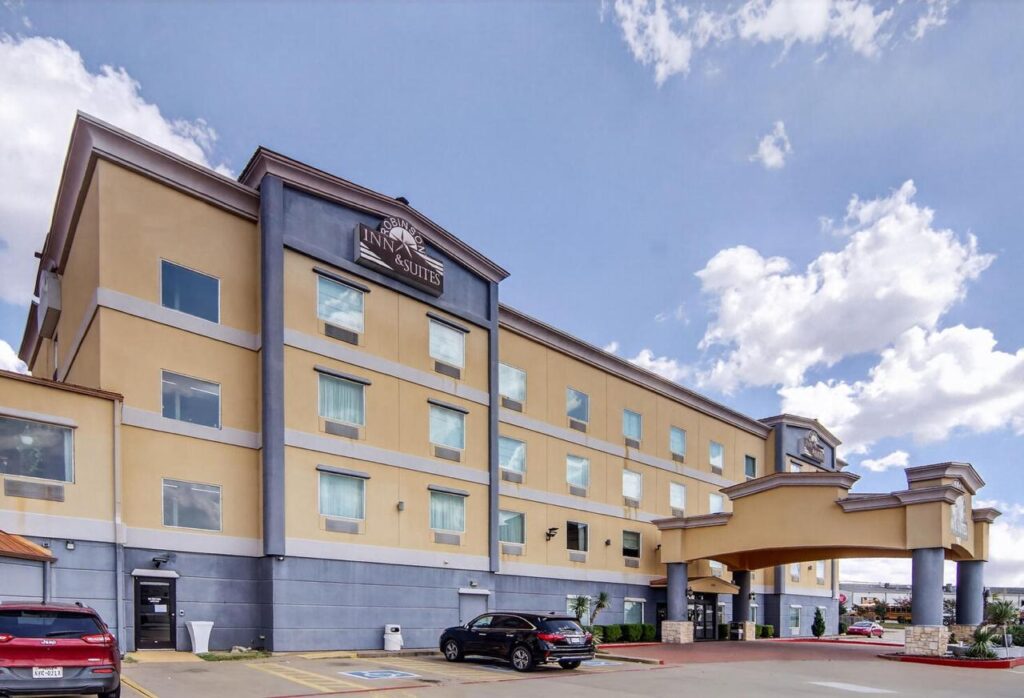
Online Travel Agencies (OTAs) like Direct Hotel Bookings.com and Expedia Group have transformed the hospitality industry by helping hotels gain visibility and attract travelers from across the world. For many hotels, OTAs provide an easy way to secure Direct Hotel Bookings, especially during low-demand seasons.
However, relying entirely on OTAs can quietly reduce your hotel’s profitability. High commission fees, limited customer ownership, and intense price competition often make it difficult for hotels to build long-term revenue growth.
To remain competitive and profitable, hotels need a balanced strategy that combines OTA exposure with strong direct booking channels.
Read More:
Reasons Your Hotel Is Invisible on Google (And How to Fix It Fast)
Why Most Small Hotels Fail at Hotel Digital Marketing Strategies
Are You Losing Guests Before They Even Contact You? | Hotel Conversion Guide
How Professional Social Media Management Helps Hotels Increase Bookings
The Hidden Cost of OTA Dependency

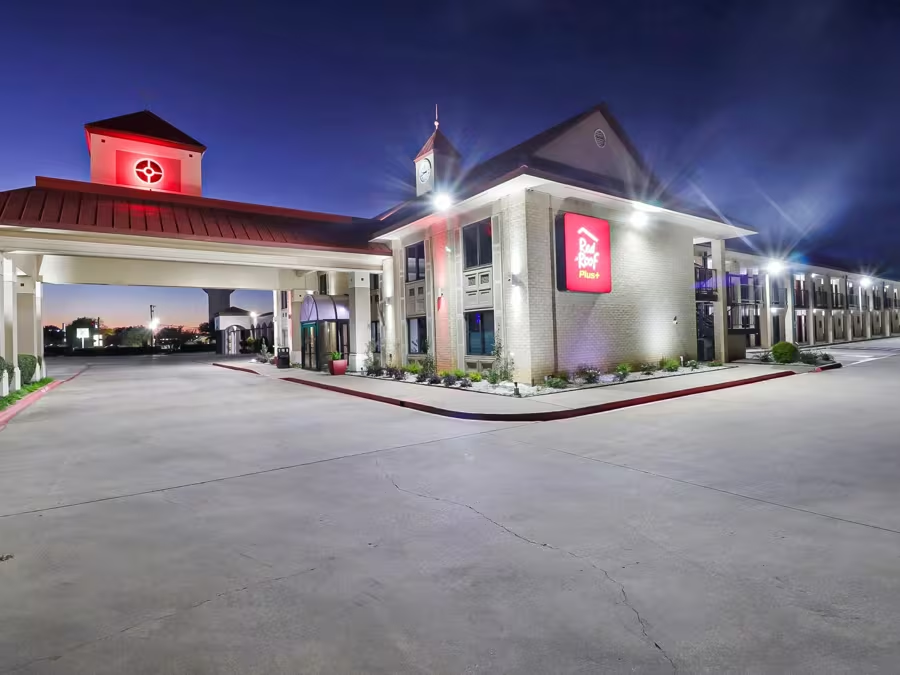
While OTAs help fill rooms, excessive dependence comes with several challenges that directly impact hotel revenue and brand growth.
High Commission Fees
Most OTAs charge commission rates ranging from 15% to 30% per booking. Over time, these commissions can consume a large portion of your revenue, especially for independent hotels and boutique properties.
For example, if your hotel receives hundreds of Direct Hotel Bookings every month, a significant percentage of your profits may go directly to third-party platforms instead of your business.
Limited Guest Ownership
When guests book through OTAs, the platform often controls much of the customer relationship. Hotels receive limited guest data, making it harder to build direct communication, loyalty programs, or repeat business opportunities.
This means your hotel may continuously depend on OTAs to reacquire the same guests repeatedly.
Reduced Profit Margins
Heavy OTA dependency forces hotels to compete aggressively on pricing. Hotels often reduce room rates to stay visible among competitors, which further shrinks profit margins.
Instead of focusing on brand value and guest experience, hotels become trapped in price wars.
Competitive Comparison Environment
OTAs place your hotel directly beside competing properties, where travelers compare prices, ratings, amenities, and offers within seconds. Even loyal guests may choose another property if it appears cheaper or more attractive on the platform.
This environment makes it difficult for hotels to establish a strong brand identity.
Why Direct Bookings Matter
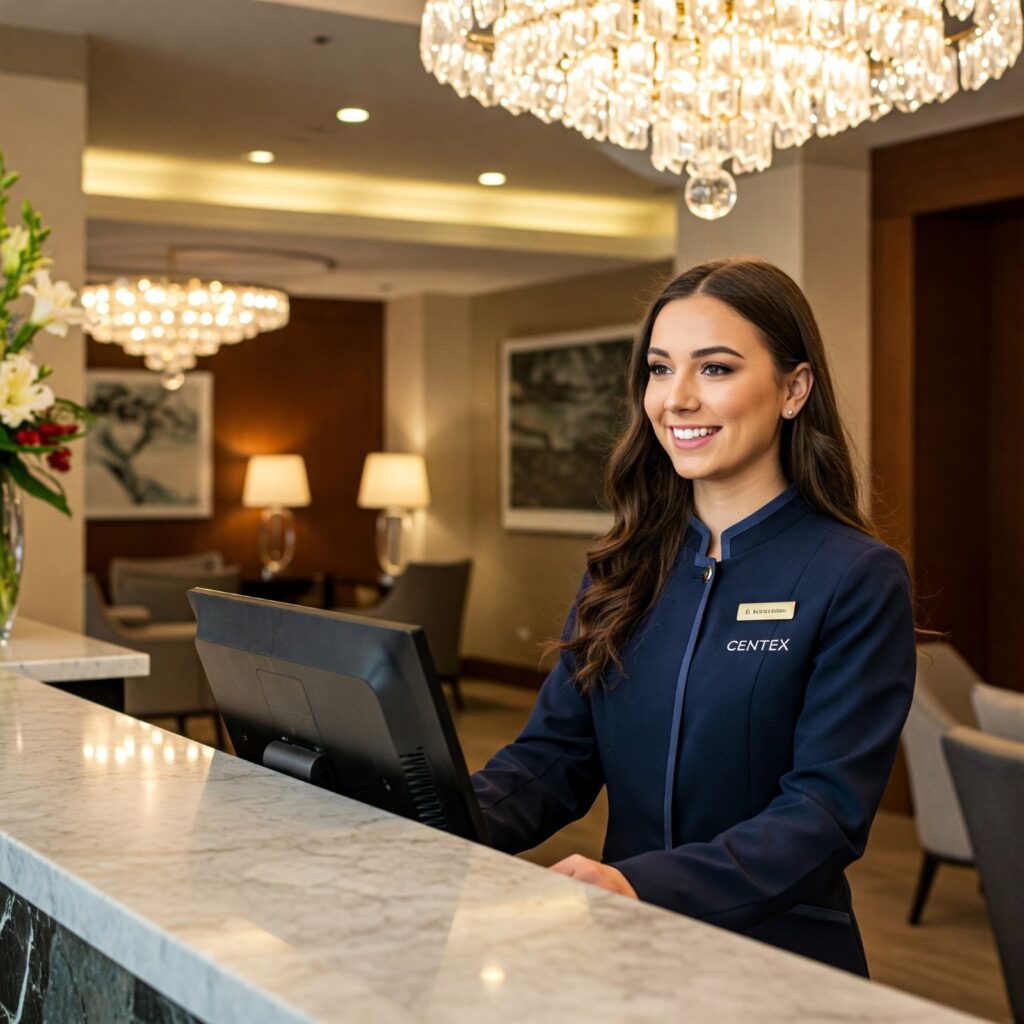
Direct bookings help hotels regain control over revenue, customer relationships, and long-term growth. A strong direct booking strategy can significantly improve business sustainability.
Increased Profit Margins
Every direct booking eliminates OTA commission costs, allowing hotels to retain more revenue from each reservation. Even a modest increase in direct bookings can substantially improve annual profitability.
Stronger Guest Loyalty
When guests book directly through your hotel website, you gain the opportunity to create personalized experiences, loyalty rewards, exclusive offers, and direct communication channels that encourage repeat visits.
Better Brand Control Direct Hotel Bookings channels allow hotels to showcase their unique identity, services, and guest experiences without competing distractions. Your website becomes a powerful marketing asset that reflects your brand professionally.
More Upselling Opportunities
Hotels can promote upgrades, spa packages, dining experiences, airport transfers, and special offers directly during the booking process, increasing overall revenue per guest.
How Centex Hotels Helps Increase Direct Bookings
Centex Hotels helps hotels reduce OTA dependency by building strong digital marketing systems focused on generating direct reservations.
SEO Optimisation
Search Engine Optimization helps hotels rank higher on Google when travelers search for accommodations. A well-optimized website increases organic traffic and attracts guests actively looking to book.
Hotel Website Development
A fast, mobile-friendly, and visually appealing website improves user experience and increases booking conversions. Modern hotel websites should include secure booking systems, high-quality images, and clear calls to action.
Social Media Campaigns
Platforms like Instagram and Facebook help hotels connect directly with potential travelers, build brand awareness, and promote exclusive booking offers.
Google Ads
Targeted advertising campaigns help hotels appear in front of travelers searching for accommodations in specific locations, improving direct traffic and reservations.
Email Marketing
Email campaigns help hotels maintain communication with previous guests, promote seasonal offers, and encourage repeat bookings.
Reputation Management
Positive online reviews strongly influence traveler decisions. Managing guest feedback across platforms improves trust and enhances your hotel’s online reputation.
Building a Balanced Booking Strategy
OTAs should remain part of your hotel’s marketing strategy because they provide valuable visibility and market reach. However, successful hotels avoid depending entirely on third-party platforms.
The ideal approach is balance:
- Use OTAs for visibility and guest acquisition
- Invest in direct booking channels for long-term profitability
- Build brand loyalty through personalized guest experiences
- Strengthen your online presence with digital marketing
Hotels that focus on direct bookings create stronger financial stability and greater control over their business growth.
Conclusion
The hospitality industry is becoming increasingly competitive, and relying only on OTAs is no longer a sustainable strategy for long-term profitability. Hotels that invest in direct booking systems gain better control over revenue, guest relationships, and brand positioning.
By combining smart digital marketing, SEO, social media, and reputation management, hotels can significantly reduce OTA dependency while increasing direct reservations.
Centex Hotels helps hotels develop effective direct booking strategies that drive revenue growth and long-term success.
